InTac G1

EN
InTac G1
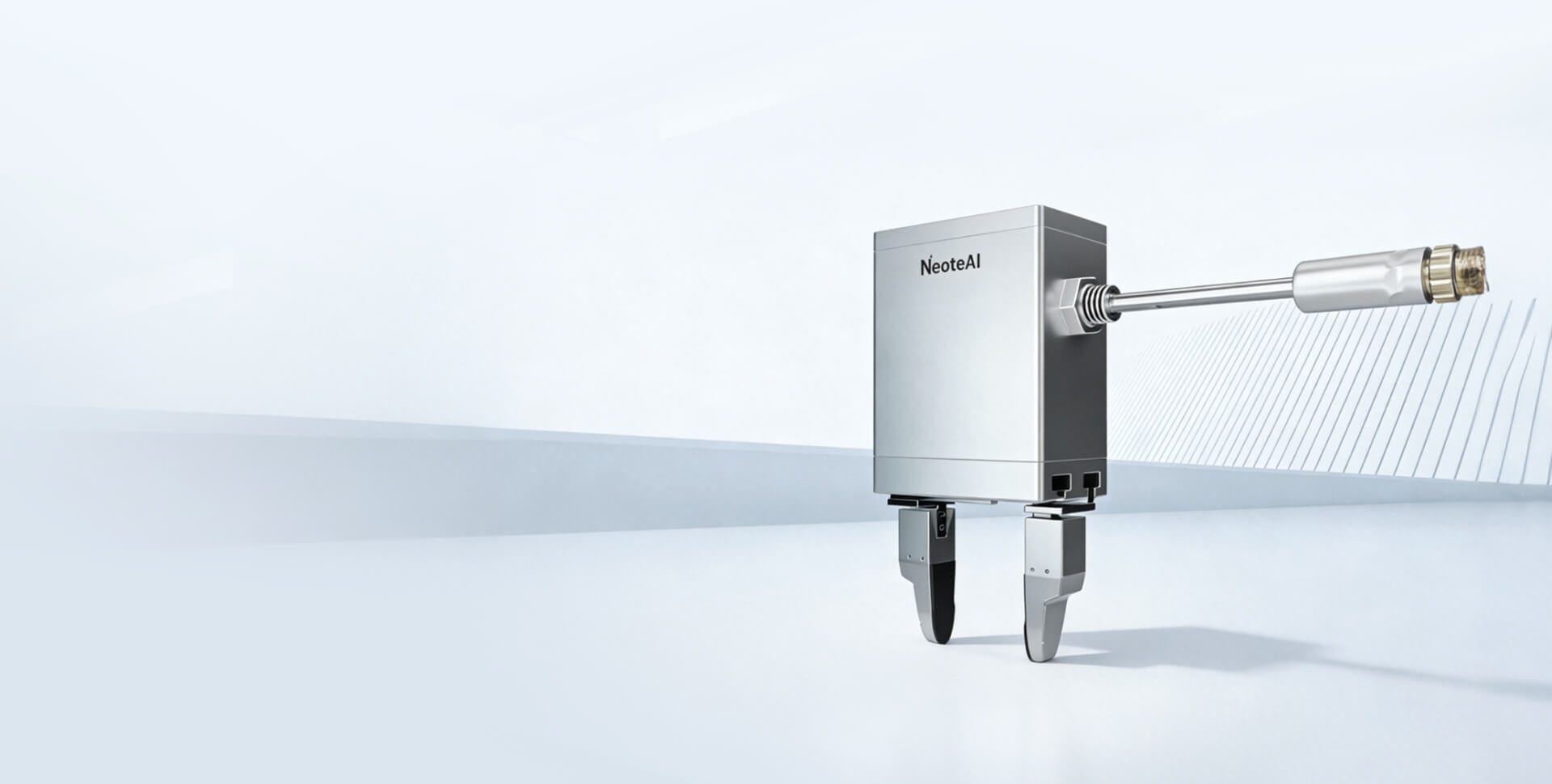
Integrated sensing and actuation that gives robots a genuine sense of touch.
Product Advantages

Simple Deployment · Direct access to sensor data
No black boxes, no complexity. The G1 uses standardized interfaces and a unified communication protocol and is ready out of the box. No low-level driver development is required: a single cable delivers a unified stream of tactile images, 3D force vectors and motor encoder readings, so your algorithm development can focus on core logic from the very first minute.

Active Compliance · Control that balances rigidity and softness
Breaking the physical limits of rigid actuators. Built-in high-frequency force control algorithms deliver true millisecond-level impedance control. Whether it is silky, gravity-compensated hand-guided teaching or constant-force tracking on dynamic contact surfaces, the G1 gives robotic arms human-like 'muscle memory' and a safe sense of touch.

An Eye at the Fingertip · Resolving the near-field perception blind spot
When the vision system fails because of occlusion, the G1's fingertip becomes the robot's second pair of eyes. It combines macro vision with high-precision touch, sensing force and acting as a 'microscope' that captures texture and geometric features, closing the perception gap in the robot's 'last centimeter' of manipulation.
Technical Specifications

Category

Specification

Details

Basic parameters

Stroke

0–100 mm (customizable range)

Maximum grip force

N (continuous) / 80 N (peak)

Motion speed

10–200 mm/s (adjustable)

Product weight

< 450 g (including sensor)

Sensing performance

(fingertip module)

Integrated sensor

Built-in Xinzhi-Tac M1/S1 visuotactile module

Tactile resolution

~30 µm / pixel

Tactile feedback

Tactile image stream + 3D distributed force vector

Control performance

Control modes

Position control, force control, hybrid force-position control, impedance control

Force control accuracy

±0.1 N (closed-loop over tactile feedback)

Repeatability

± 0.02 mm

Electrical and interfaces

Communication protocol

RS-485 / CAN Bus / USB / EtherCAT (optional)

Supply voltage

24V DC

Software interface

ROS/ROS2 Node, Python API, C++ Library


Explore More Products